
-
February-May: Sep-Dec
-
6000m
-
English, Spanish, French, Chinese
-
Hard
-
5-7 Hours
-
Kathmandu
Overview
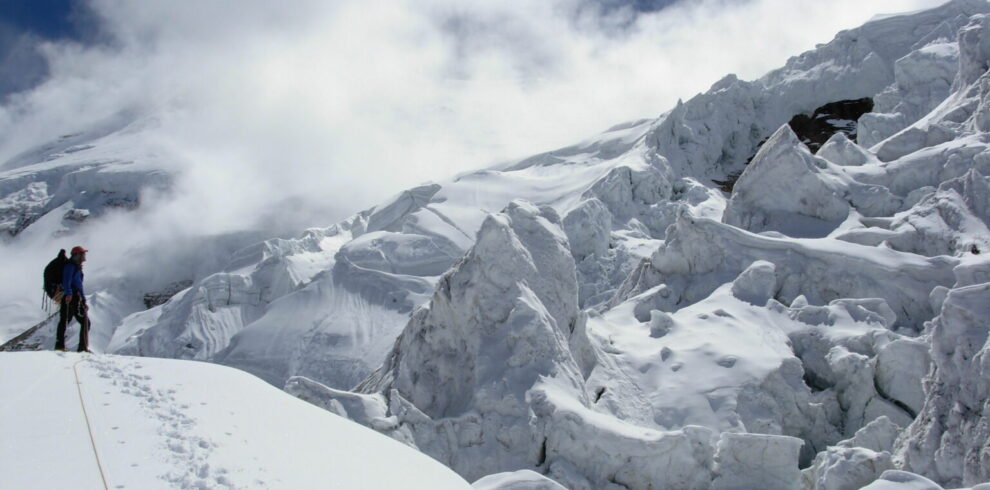
Yala Peak Climbing offers an unforgettable adventure within the Langtang region of Nepal, near the Tibetan border. This mesmerizing mountain beckons both beginners and seasoned climbers, offering an ideal opportunity for an introductory mountaineering experience. Towering at 5,520 meters (18,110 feet), the Yala climb demands essential mountaineering skills, including proficient crampon usage, ice axe handling, and rope techniques. While not overly technical, the altitude poses a physical challenge due to its impressive height.
The Yala Peak climbing package, meticulously organized by Nepal Wanders Treks, takes you on an exclusive expedition starting from Kathmandu and from Kyanjin Gompa. This adventure spans just 11 days, providing an exceptional experience at a competitive cost. Seamlessly fitting into any Langtang trek itinerary, this package offers a unique chance to conquer the majestic peak and savor panoramic mountain vistas from its summit. Nestled within Nepal’s Langtang National Park, the Peak showcases breathtaking beauty without requiring extensive technical expertise. Reaching its summit rewards you with a breathtaking, serene point, enveloping you in the grandeur of the Himalayas with minimal human presence.
Itinerary
Upon your arrival the Tribhuvan International airport (TIA) in Kathmandu, you will be greeted by a representative from Nepal Wanders who will take you to our hotel. In the evening, there will be a welcome dinner in a traditional Nepali cuisine restaurant where you will be able to enjoy authentic Nepali meal with a brief cultural program. Overnight at hotel in Kathmandu
Your exciting Yala Peak Climbing with Langtang Valley Trek starts with a beautiful drive from Kathmandu to Syabrubesi, the gateway to the Langtang Valley. This drive takes about 7 to 8 hours and is full of amazing scenery.
You’ll ride through rolling green hills, rivers, and small roadside villages where you can see local life happening all around you. On a clear day, you might even spot distant mountain peaks teasing you about the adventure to come!
When you reach Syabrubesi (about 1,460 meters/4,790 feet), you’ll check into a cozy teahouse. Here you can stretch your legs, enjoy a hearty meal, and rest well before you start your trek into the stunning Langtang Valley the next morning.
Today is your first day of trekking — how exciting! After breakfast in Syabrubesi, you’ll start walking towards Lama Hotel, a cozy resting place in the forest.
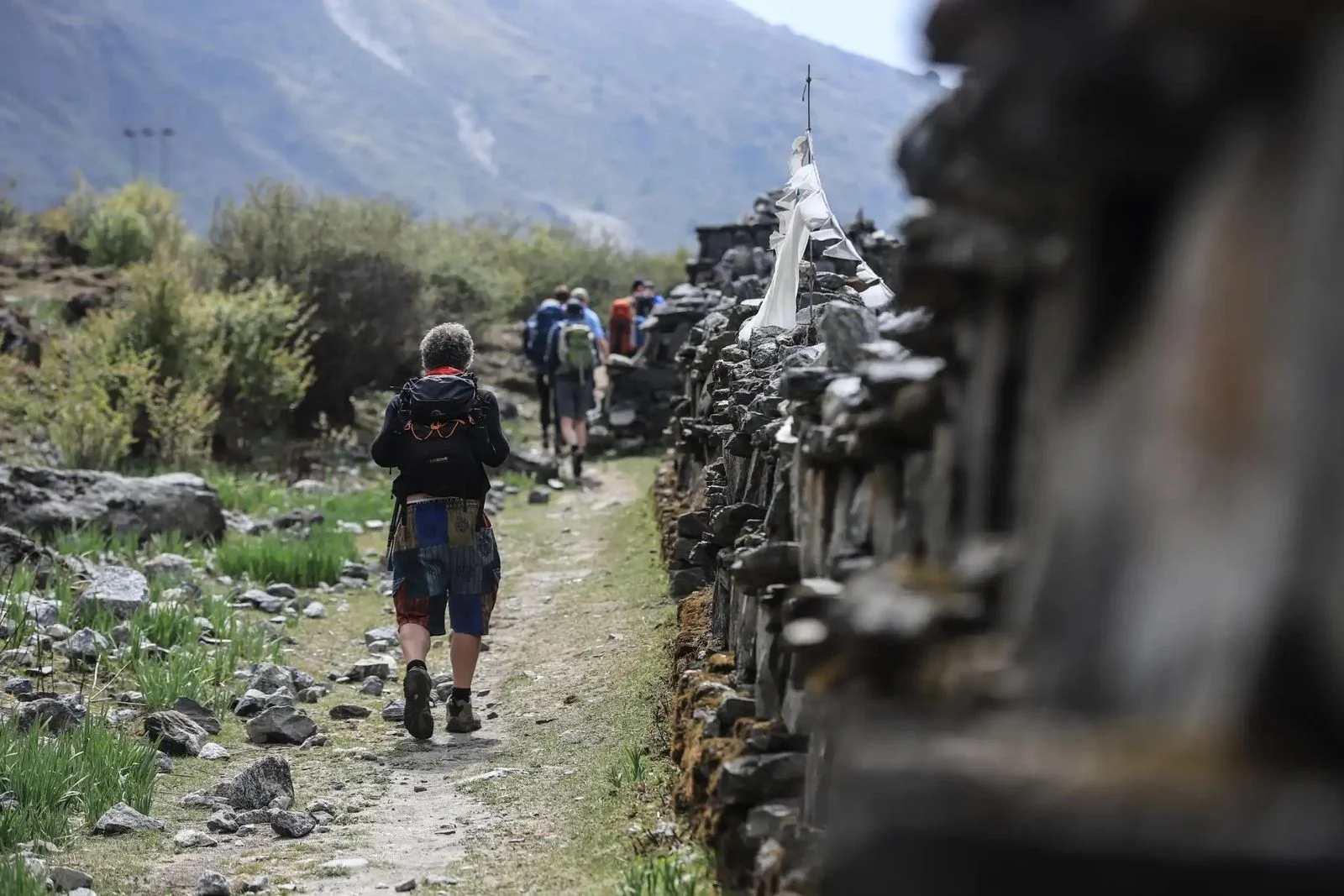
The trail follows the beautiful Langtang Khola River, crossing it by hanging bridges and passing through green forests full of rhododendron and bamboo trees. If you’re lucky, you might spot monkeys jumping in the trees or colorful birds singing above.
You’ll walk through small villages and stop for lunch at a teahouse on the way. The walk is mostly uphill, so take it slow and enjoy the sounds of nature all around you. After about 6 to 7 hours of trekking, you’ll reach Lama Hotel (about 2,480 meters / 8,136 feet), where you can relax, have a warm meal, and get a good night’s sleep surrounded by peaceful forest sounds.
Today you’ll wake up to the sound of the river and birds in the forest, it’s time to trek to Langtang Village! After a warm breakfast at Lama Hotel, you’ll start walking up through beautiful forests filled with pine, oak, and rhododendron trees.
As you climb higher, the trees will slowly open up and you’ll see big snowy mountains peeking through. You’ll pass by small streams, grazing yaks, and maybe even spot mountain goats on the cliffs. There are some small tea shops on the way where you can rest and enjoy a cup of tea.
After about 5 to 6 hours of trekking, you’ll reach Langtang Village (around 3,430 meters / 11,253 feet). This village is home to the Tamang people who are very friendly and love to share their culture. In the evening, you can explore the village, see stone houses, and enjoy a hot meal in your tea house while looking at the stunning mountains all around you.
After a good sleep in Langtang Village, it’s time to continue your adventure to Kyanjin Gompa, one of the most beautiful spots in the Langtang Valley!
Today’s walk is shorter but very scenic. You’ll trek for about 3 to 4 hours, passing through wide yak pastures, small wooden bridges, and open meadows with stunning mountain views all around. You’ll see snow peaks like Langtang Lirung getting closer and closer!
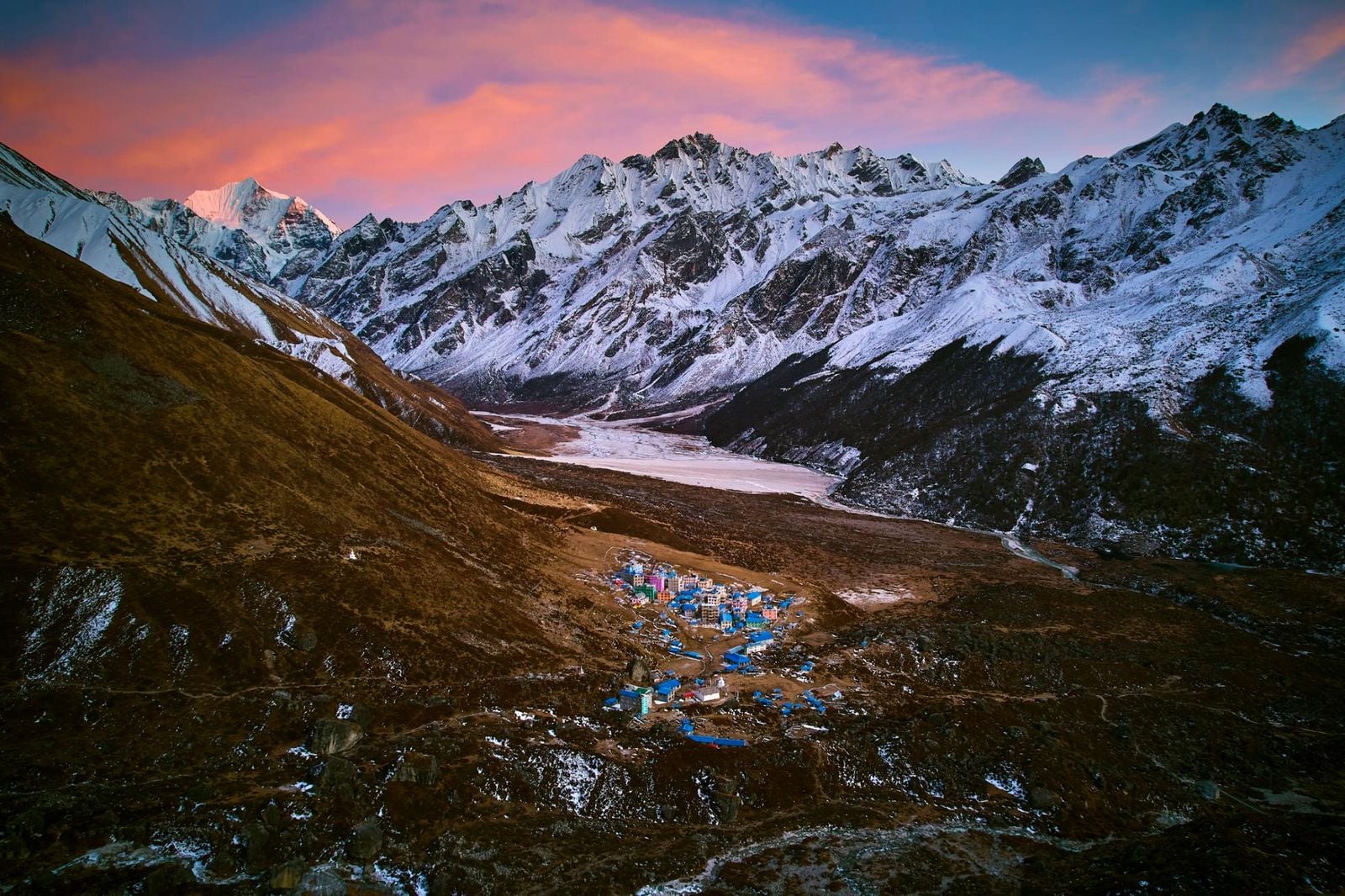
When you reach Kyanjin Gompa (around 3,870 meters / 12,697 feet), you’ll find a lovely village with stone houses, prayer flags, and a famous old monastery. Here you can explore the Gompa (monastery), visit a small cheese factory, and enjoy a warm drink while staring at the incredible mountains right outside your window.
You’ll spend the night in a cozy tea house, resting up for the adventures ahead!
Today is your acclimatization day, which means you will stay at Kyanjin Gompa to help your body adjust to the high altitude. This is very important so you feel strong and healthy for your Yala Peak climb!
You won’t stay inside all day, you can go on optional short hikes to nearby viewpoints. One popular option is a hike to Kyanjin Ri, which is about 4,773 meters (15,659 feet) high. From the top, you’ll get amazing views of the Langtang Valley and snow-covered mountains all around you.
Another great option is a longer hike to Tserko Ri, which is about 4,984 meters (16,352 feet) high. This viewpoint gives you a stunning 360-degree view of tall peaks, glaciers, and wide open valleys.
After your hike, you’ll return to Kyanjin Gompa to rest. You can visit the old monastery, check out the small cheese factory, or just relax with a warm drink and enjoy the peaceful mountain village.
Today is an exciting day because you’ll leave the village behind and head towards Yala Peak Base Camp, your home before the big climb!
The trek from Kyanjin Gompa to Base Camp is about 6 km (3.7 miles) and takes around 5 to 6 hours, depending on your pace. The trail is mostly uphill and crosses rocky paths, small streams, and wide yak pastures with beautiful mountain views all around.
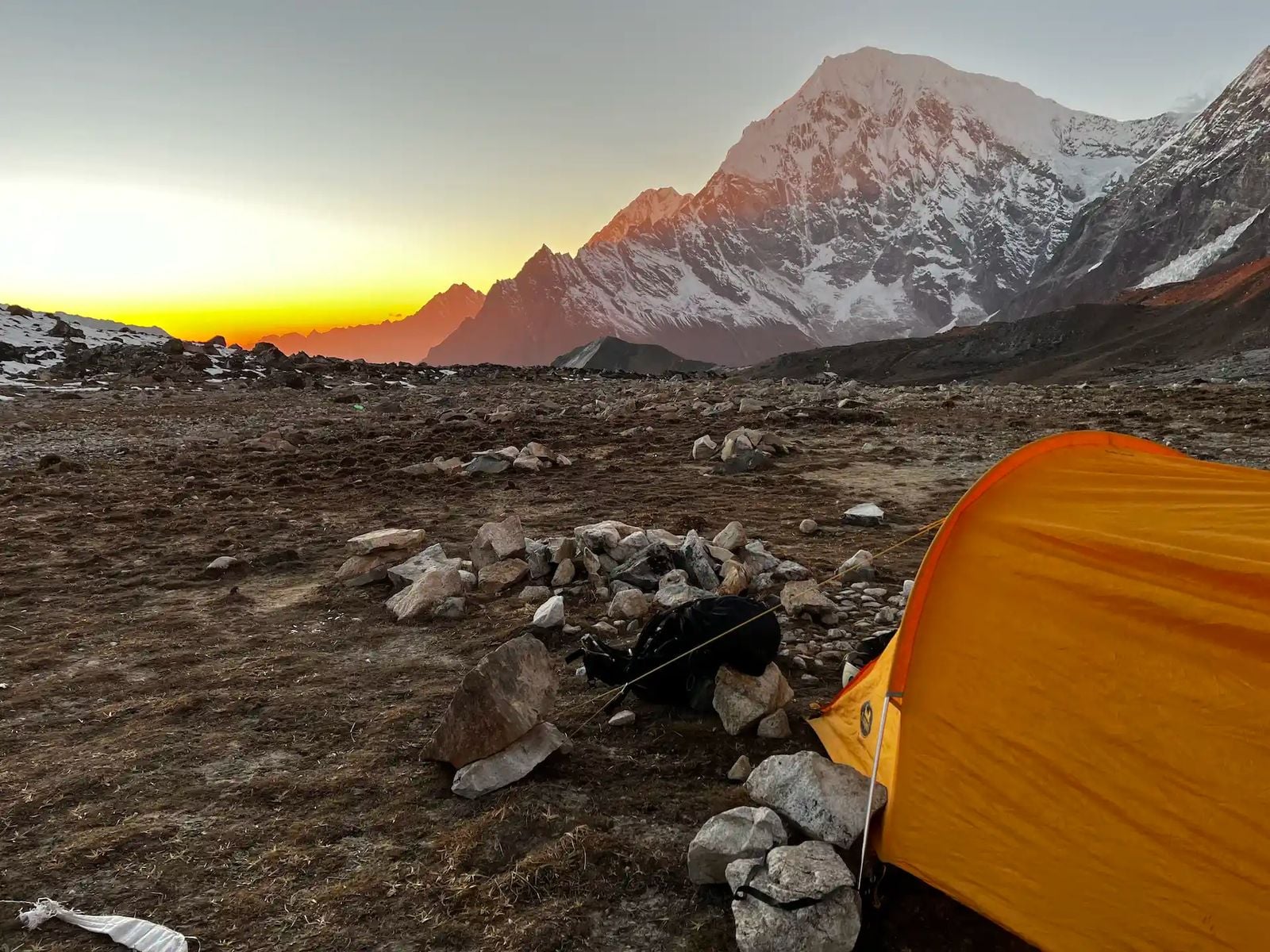
As you walk higher, you’ll feel the fresh, crisp air and see Yala Peak standing proudly in front of you. Once you reach Base Camp (about 4,800 meters / 15,748 feet), your guides will set up the tents and prepare warm food. You can relax, enjoy the peaceful surroundings, and get a good rest before your early morning climb to the summit!
Today is the most exciting and challenging day of the trek — the Yala Peak summit!
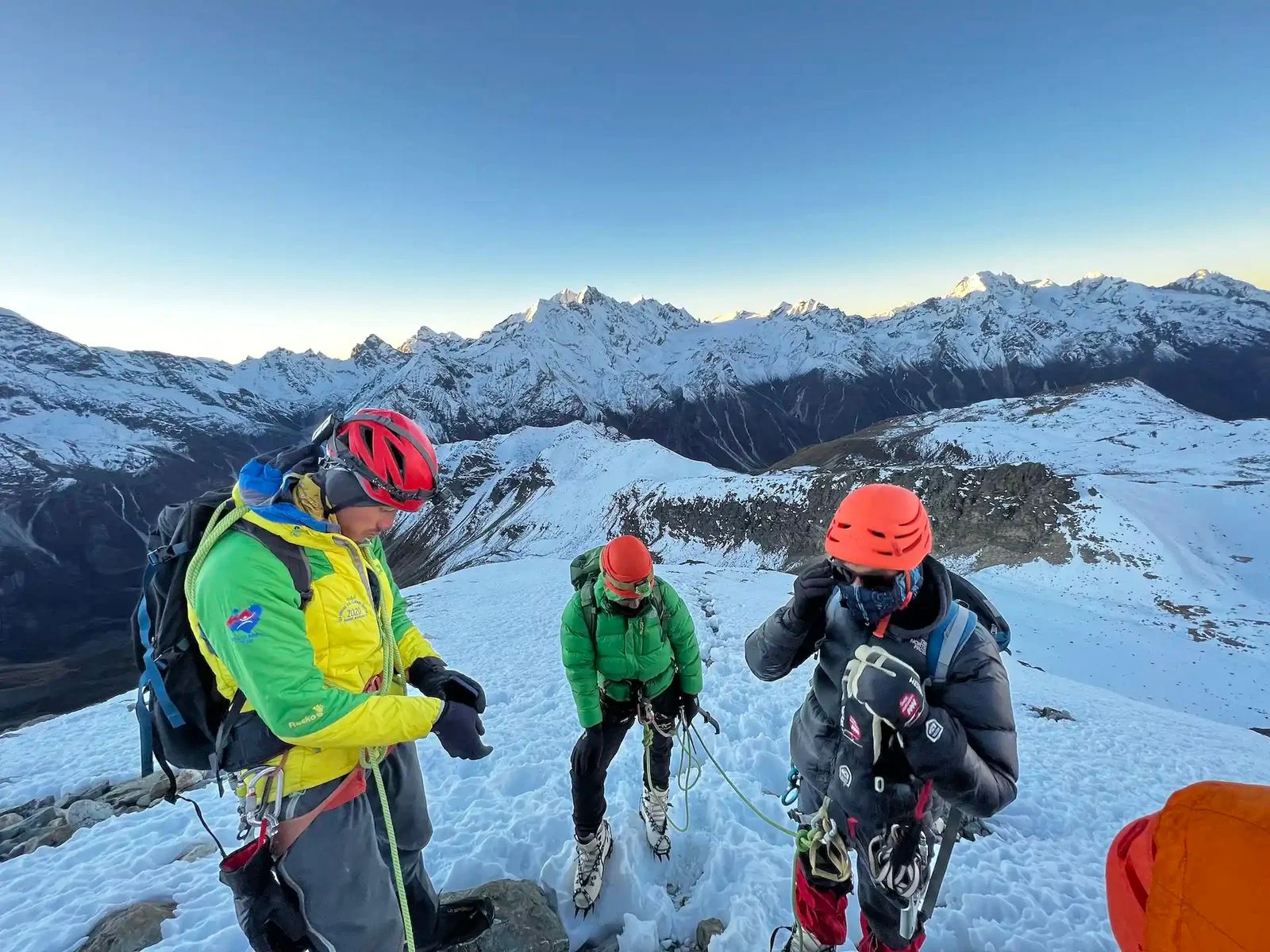
You’ll begin the summit push in the early morning (around 2:00–3:00 AM) to reach the top before the sun rises. With headlamps lighting the way, you’ll trek across rocky and snowy terrain using basic climbing gear like crampons, harness, helmet, and ropes, all guided by your experienced climbing team.
Although the climb is non-technical, the high altitude (5,500m / 18,044 ft), cold temperatures, and steep ascent make it a physically demanding day.
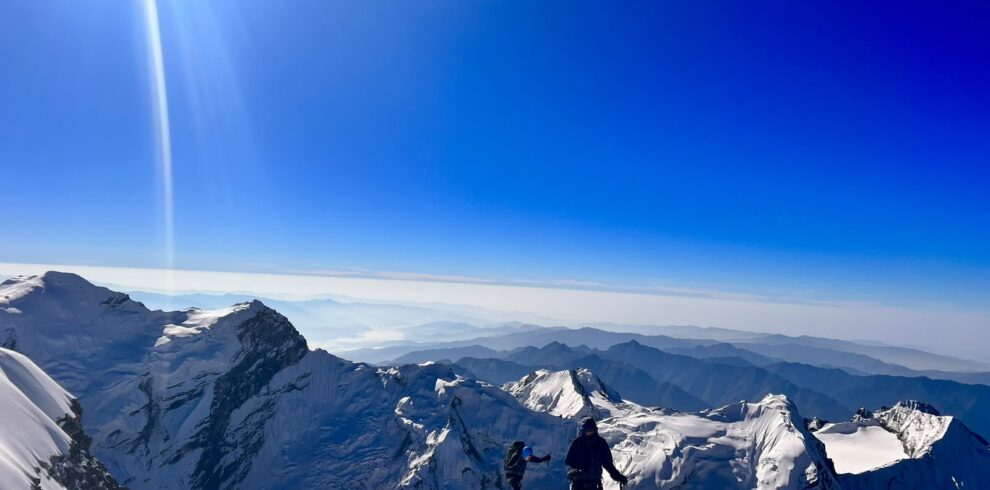
At the summit of Yala Peak, you’ll be rewarded with jaw-dropping views of Langtang Lirung, Dorje Lakpa, Ganchenpo, and even Shishapangma (8,027m) in Tibet — one of the world’s 14 highest peaks!
After soaking in the views and snapping some summit photos, you’ll carefully descend to Base Camp, take a short break, and then continue down to Kyanjin Gompa for a warm meal and a well-earned rest.
Today is a reserve day, which means it is kept extra in case you need it for your climb. This day depends on the weather conditions on the mountain.
If the weather is bad — like heavy snow, strong wind, or poor visibility — you will stay at Base Camp and rest until it’s safe to move forward. If the weather is good, you will continue as planned and may not need this extra day at all.
Having this day gives you more flexibility and safety, so you don’t have to rush your summit climb if the weather is not right. If you don’t need the day, you can enjoy extra rest or explore the area around Chhonak Lake
After an unforgettable adventure at Yala Peak and some well-earned rest in Kyanjin Gompa, today you begin your journey back down the Langtang Valley.
The trail retraces your steps through Langtang Village, Ghora Tabela, and into the lush forests surrounding Lama Hotel. As you descend, you’ll notice how much easier the breathing becomes and how the scenery changes from alpine to green forested hills.
This day is mostly downhill, making it a more relaxed walk, though it can still be tough on the knees. Take your time, enjoy the changing landscape, and soak in your accomplishments!
Today is the final day on the trail as you make your way back to Syabrubesi, the starting point of your trek. The trail continues downhill through dense forests of oak, bamboo, and rhododendron, with a few short uphill sections along the way.
You’ll pass small settlements and enjoy your last glimpses of the Langtang River before arriving in Syabrubesi, where you can relax and celebrate the completion of your Langtang and Yala Peak adventure.
After breakfast in Syabrubesi, you’ll begin your return journey to Kathmandu. The scenic drive takes you through winding mountain roads, terraced farmlands, rivers, and charming villages.
While the road can be bumpy at times, the changing landscapes and glimpses of rural life in Nepal make it an enjoyable ride. Upon arrival in Kathmandu, you’ll check into your hotel and have the rest of the day to relax or explore the city.
Note: Travel time may vary significantly based on weather, traffic, and road conditions.
Our representative will pick you up at the hotel and transfer you to international airport for onward journey.
Includes/Excludes
Cost Includes
- Meals: 10 breakfasts, 8 lunches ,9 dinners
- Transport: Comfortable van with A/C, One way flight to Pokhara
- Accommodation: Kathmandu (3 nights), Tea house (no facilities) (11 night), Pokhara (1 night)
- PERMITS : Expedition Royalty and a permit fee of Nepal Mountaineering Association (NMA) to climb Island Peak, Sagarmatha National Park, and Pasang Lhamu Rural Municipality entry permit and fee.
- GARBAGE MANAGEMENT : Stool Shipment Transfer & Garbage Deposit fees.
- INSURANCE : Medical & Emergency rescue Insurance for all involved Nepalese staff during the trek and expedition.
- MAP : Trekking and climbing map.
- DUFFLE BAG : One Nepal Wanders Treks’ Duffle Bag.
- MEMBER TRANSPORTATION : (Domestic Flight) Fly from Kathmandu – Lukla and while returning Lukla - Kathmandu, as per itinerary.
- EXPEDITION STUFFS TRANSPORTATION : All necessary expedition equipment transportation for all Members and Staff from Kathmandu to Lukla (by air cargo) and Base camp (by Porters / Yak) – While returning: Base camp to Lukla (by porters / Yak) and Lukla to Kathmandu (by air cargo).
- MEMBER LUGGAGE : Up to 25 Kg per member as personal baggage during the trek to be carried by porters.
- FOOD AND LODGING : 3 meals a day (breakfast, lunch, and dinner; including tea and coffee) along with accessible accommodation at Hotel/Lodge/Tent during the trek and at the Basecamp.
- DRINKING : Per day 2 Liters of boiled water per member to carry on the thermos.
- PORTER : Porters per member up to the Base camp and from the Basecamp (both ways).
- HIGH ALTITUDE CLIMBING SHERPA : 1 veteran and government-licensed climbing Sherpa per member (1 Member: 1 Sherpa), during the entire climb from Basecamp to the summit and back.
- ASSISTANCE : Climbing Sherpa to assist in carrying your gear to the high camps.
- CLIMBING SHERPA SALARY & ALLOWANCE : Climbing Sherpa’s Salary, Equipment, Food, and Clothing.
- OXYGEN BOTTLE (O2) : Oxygen bottles will be in stock at base camp in case of an emergency (with an appropriate charge).
- OXYGEN MASK & REGULATOR : 1 Set of Oxygen masks will be in base camp in case of an emergency.
- HIGH CAMP SERVICE (INFRASTRUCTURE AND LOGISTICS) : High Altitude Tent, Lights, Necessary cooking EPI gas, cooking pot, High food for a member, Sherpa, and other crews. Group climbing gears, fixed and dynamic rope during the climbing period as required.
- HIGH ALTITUDE TENT : Members will share tents in high camps (2 members: 1 tent).
- WEATHER FORECAST : Weather forecast report during the entire expedition.
- GUIDE : Local government licensed Guide (English speaking) during the trek and sightseeing in Kathmandu valley.
- VALLEY SIGHTSEEING : Sightseeing in Kathmandu Valley [Swoyambu (Monkey temple) and Kathmandu Durbar Square] by a professional guide.
- MEDICAL KIT : Comprehensive Medical kit for members and staff.
- CERTIFICATE : Island Peak climbing certificate issued by NMA (after climbing Island peak successfully).
Cost Excludes
- AIR FARE : International flight airfare (from and to Kathmandu).
- NEPAL ENTRY VISA FEE : Nepalese Visa fee is $50 USD for 30 Days.
- LUNCH & DINNER : Lunch & dinner during the stay in Kathmandu (also in case of early return from Trekking / Expedition than the scheduled itinerary).
- EXTRA NIGHTS IN KATHMANDU : Extra nights’ accommodation in Kathmandu. In case of early arrival or late departure, early return from Trekking / Expedition, domestic flight cancellation (due to any other reason) than the scheduled itinerary.
- INSURANCE POLICY : Insurance covering both medical and high-altitude evacuation costs (for the trip cancellation, interruption, high altitude rescue & air evacuation, medical treatment, repatriation, etc.) *Mandatory
- PERSONAL EXPENSES : Telephone Calls, Internet, Toiletries, battery recharge, hot shower, laundry, soft drinks, beers, and any Alcoholic beverages (during the trek and in Kathmandu but we will have soft drinks for members at base camp).
- PERSONAL CLIMBING EQUIPMENT : Clothing, Packing Items, Bags, Personal Medical Kit, and all kinds of Personal Trekking / Climbing Gear.
- TOILETRIES : Soaps, shampoos, toilet and tissue papers, toothpaste, and other items used to keep yourself clean.
- FILMING : Special Filming, Camera, and Drone permit fee.
- INTERNET SERVICE : Not included during the trek and the expedition.
- SUMMIT BONUS : Summit bonus for climbing Sherpa - Minimum 300 USD.
- TIPS : Calculate some tips for the high camp and other staff– Minimum 100 USD.
- EXTRA : Any other services or activities, which are not mentioned in the itinerary and other items not listed in the “Cost Includes” section
Frequently Asked Questions
The best seasons for Yala Peak climbing are autumn (September to November) and spring (March to May), when skies are clear and temperatures are relatively stable for summit pushes. Autumn offers crisp, stable weather following the monsoon, while spring brings milder temperatures and blooming rhododendron forests along the approach trek.
Winter climbs are possible for experienced climbers seeking fewer crowds, though summit conditions are considerably colder and windier.
Yala Peak 5,732 meters (18,806 feet) is rated a moderate trekking peak – no advanced mountaineering experience is required, but climbers should be in strong physical condition and comfortable with basic use of crampons, ice axes, and fixed ropes. The route involves glacier travel and a steep final headwall near the summit ridge, where our climbing guides provide hands-on training at base camp before the summit push.
Proper acclimatization is the single most important factor for a safe Yala Peak climb, and our itinerary includes dedicated rest and acclimatization days in Kyanjin Gompa before pushing higher. Climbers should stay well hydrated, ascend gradually, and report any AMS symptoms headache, nausea, dizziness to their guide immediately. Our climbing leaders are trained in altitude-related emergency response and carry appropriate first-aid and oxygen provisions throughout the expedition.
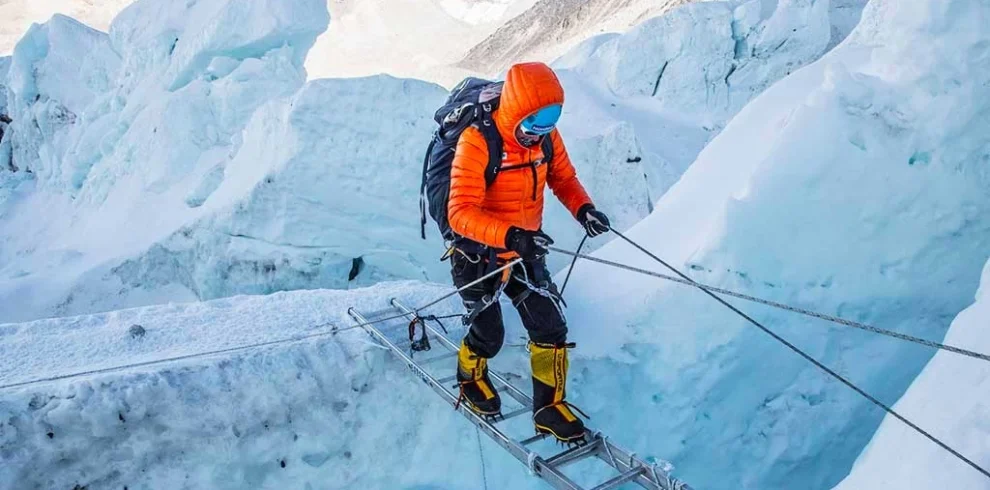
Climbers need basic proficiency with crampons, an ice axe, a climbing harness, and ascending/descending fixed ropes, all of which our guides demonstrate and practice with you at base camp before the summit attempt. The route involves a glacier crossing, occasional crevasse sections requiring ladder crossings, and a final steep ice/snow headwall to the summit ridge. Technical climbing gear is provided as part of the package, please pack warm layered clothing suited to temperatures well below freezing at high camp.
Every Yala Peak Expedition includes experienced climbing guides, a dedicated Sherpa support team, and porters to carry group and individual climbing equipment, ensuring a low climber-to-guide ratio for safety on technical sections. Our guides are trained in high-altitude rescue and wilderness first aid, and our Kathmandu-based support team monitors each expedition throughout the trip. This level of on-the-ground support has helped maintain Nepal Wanders strong track record since 2005
Yala Peak is technically known to be a ‘trekking peak’, but when it comes to packing, a lot more stuff is required than what you can expect from a regular trek. The right types of equipment and gears play a crucial role to successfully attempt the Yala Peak climb. We recommend the following gears and kits for Yala Peak climbing:
- Hiking boots
- Climbing boots
- Back pack (daypack)
- Sleeping bag
- Head torch
- Water & wind proof jacket
- Shirts and t-shirts
- Thermal base layers
- Sun hat & sun glasses
- Gloves
- Thermal bottoms
- Socks
- Trekking trousers
- Water & wind proof trouser
- Water bottles
- Sun cream & lip balm
- Personal toiletries
- Gaiters
- Trekking poles
- Scarf & warm hat
First and foremost, your fitness level, food and hygiene, regular exercise and workouts, immunity and your entire preparation for the trip affects how altitude sickness will respond to you. In fact, the prevention of altitude sickness starts right from the very day that you start planning your trip. Other factors that lower the chances of getting the sickness are your climbing leader’s knowledge, skills and experience, duration of the trip, and sufficient acclimatization. Reaching the top without any trouble related to altitude sickness, you should keep a few tips from our experienced leaders and travel consultants in mind, namely:
- Slow ascend with proper rest and sufficient acclimatization
- Stay hydrated by drinking plenty of water and other fluids
- Eat enough balanced food and sleep well on the trip
- Avoid alcohol, cigarettes or tobacco during the entire trip
- Be head-strong and mentally prepared
- Train your body sufficiently with uphill hikes or cardiovascular and gym workouts 3 months before your trip
Through immediate or long-term acclimatization, the human body can adapt to high altitudes. The main problem that can arise at high altitude is the Acute Mountain Sickness (AMS) and the symptoms vary from one person to another. When it comes to trekking and climbing in the Himalayas, altitude sickness has always been a major concern. Exposure to higher elevations means the lack of enough oxygen and more dry air in the atmosphere. This exposure causes increase in your metabolism while suppressing your appetite, vomiting, headache, nausea, lethargy, dizziness, cough, disturbed sleep, pneumonia, and hyperthermia. These symptoms are more prevalent in climbers who rush quickly to elevations above 2,500m (8,202ft.). However, it is not the same for people residing in locations at high altitudes as they are used to these elevations all through their lives. Nepal Wanders has a great team of climbing leaders and crew members to ensure your safety and well-being. We suggest you to always listen to your leader and follow his instructions and always tell him if you are not feeling well on the way.
All climbing members including guides and porters will walk together in a group so there is no chance of a climber or a crew member getting lost or left behind. However, when there is an emergency and you need to communicate with the office or a family member from a no coverage area, then satellite phone is the only and best mode of communication. Nepal Wanders is prepared with all kinds of communications including mobile and satellite phones so that we can always remain connected with our climbers and crew members. High up in the mountains, cell phones don’t always work so for emergency communications, we make use of a satellite phone that is with the climbing leader.
Drinking water issues have really been chronic in the entire country since a long time. The sources of drinking water in the mountains are river or stream water but we do not recommend these to our clients as far as possible. The water may be highly contaminated causing various illnesses during your journey. While trekking up to the base camp, drinking water will be available in the teahouses, either from taps, boiled water or bottled water. We also suggest for the use of steriPEN or other water purifying agents. During the peak climbing time, water is not available so it needs to be carried all the way up to the top. For our customers, we will provide bottled water or boiled and sterilized water to refill in the water bottles or water bladders.
On average, you walk about 4 to 6 hours per day. One or two days can be as less as 3hrs and one or two days can be as long as 7hrs.
Yes, you do need permits for Yala Peak, but there is no special climbing permit fee. The required permits are the standard trekking permits for the Langtang region.
Required Permits and Costs
1. Langtang National Park Entry Permit: This costs NPR 3,000 (approximately USD 25) for foreign nationals .
2. TIMS Card (Trekkers' Information Management System): This costs NPR 2,000 (approximately USD 16) .
The total permit cost is therefore around USD 41 .
Yala Peak has a high summit success rate, generally cited around 95%, for climbers who follow a proper acclimatization schedule and climb with experienced guides. Success rates drop significantly for climbers who skip acclimatization days or attempt the peak without an experienced guide. Our itineraries build in dedicated acclimatization days and a low guide-to-climber ratio to keep success rates and safety high.
While on your trek, you will stay in the lodges, teahouses or hotels till Lobuche village. During your Yala Peak climb, you will stay in teahouses (mountain lodges) for most of the trekking portion, and in tented camps for the final push to the summit. Your accommodation is generally arranged as part of a guided package.
Yes, having travel insurance with specific high-altitude mountaineering coverage is strictly mandatory for a Yala Peak expedition.
The insurance should cover:
- High-Altitude coverage: It must explicitly cover you for the summit altitude of 5732 meters
- Helicopter evacuation
- Medical and Repatriation: Covers costs for any medical treatment needed during or after the expedition and repatriation to your home country