
-
Bus, Airlines
-
3 Star Hotel
-
5,416 metres
-
Kathmandu
-
Feb, Mar, Apr & May
-
Eco-Tour, Hiking
-
All meals during the trek
-
English, Spanish, French, Chinese
-
Easy to Moderate
-
2-15
-
12
-
65
Overview
Situated just east of one of the most popular treks of Nepal, the Annapurna Base Camp trek, the Mardi Himal trek is a hidden gem and is a newly opened eco-tourism, trekking trail that takes trekkers to the base camp of Mardi Himal. Few trekkers make their way to the Mardi Himal Base Camp spectacularly situated at the base of Mardi Himal and the impressive Machapuchhre.
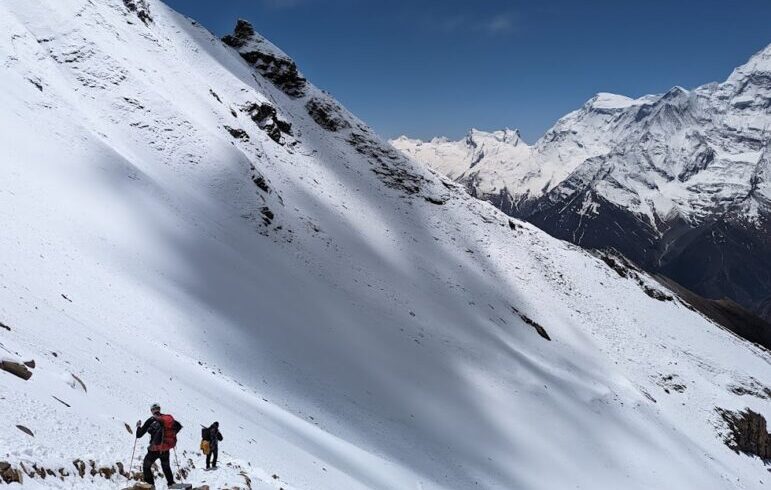
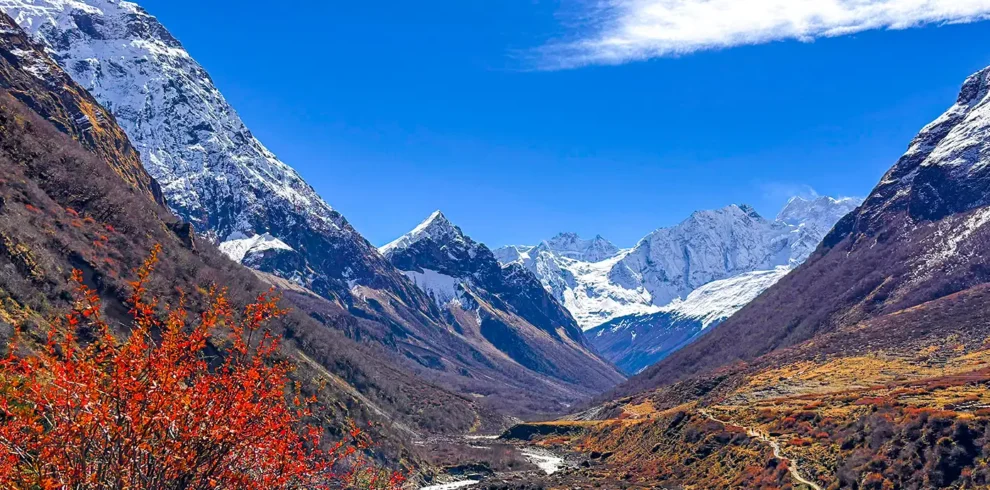
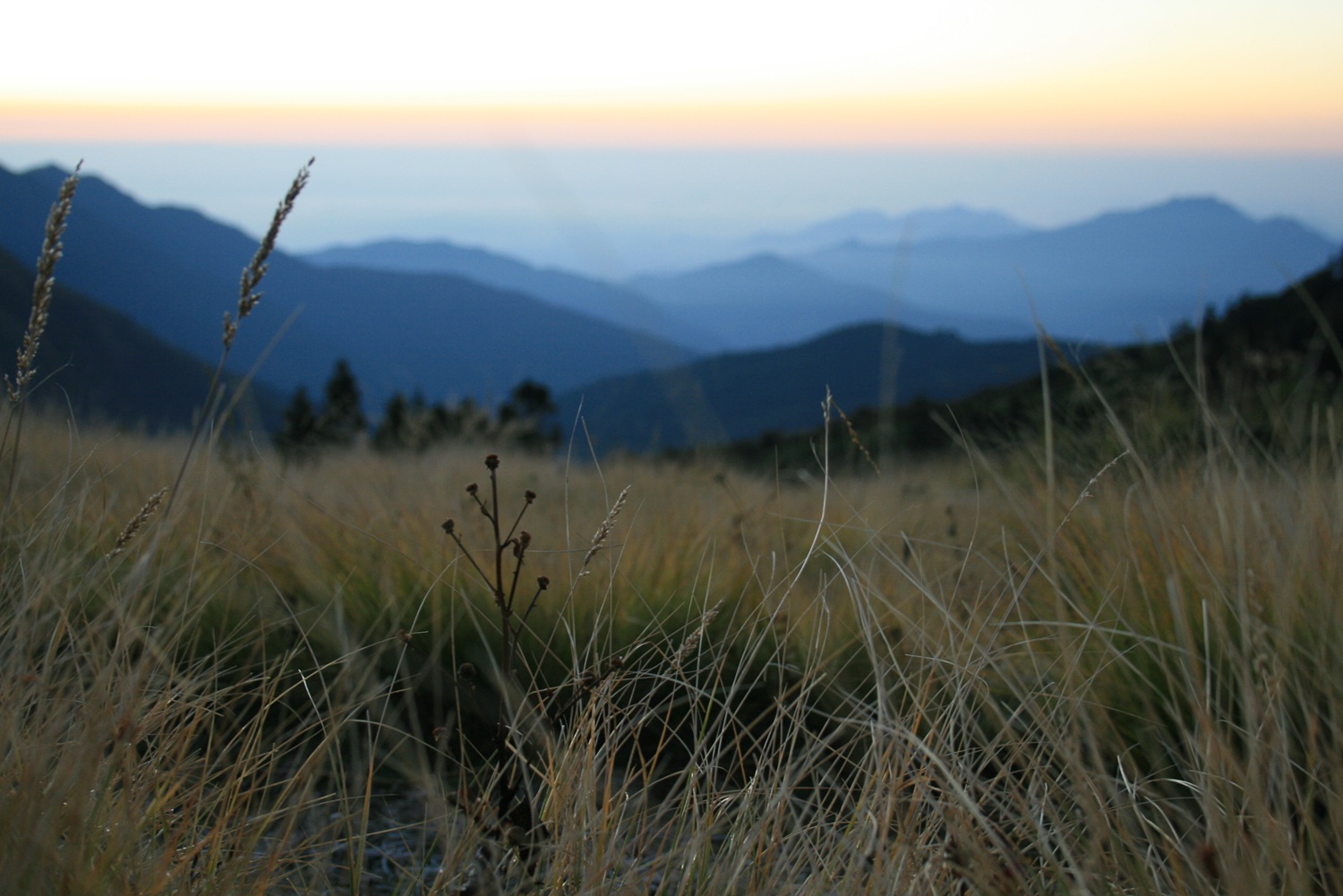
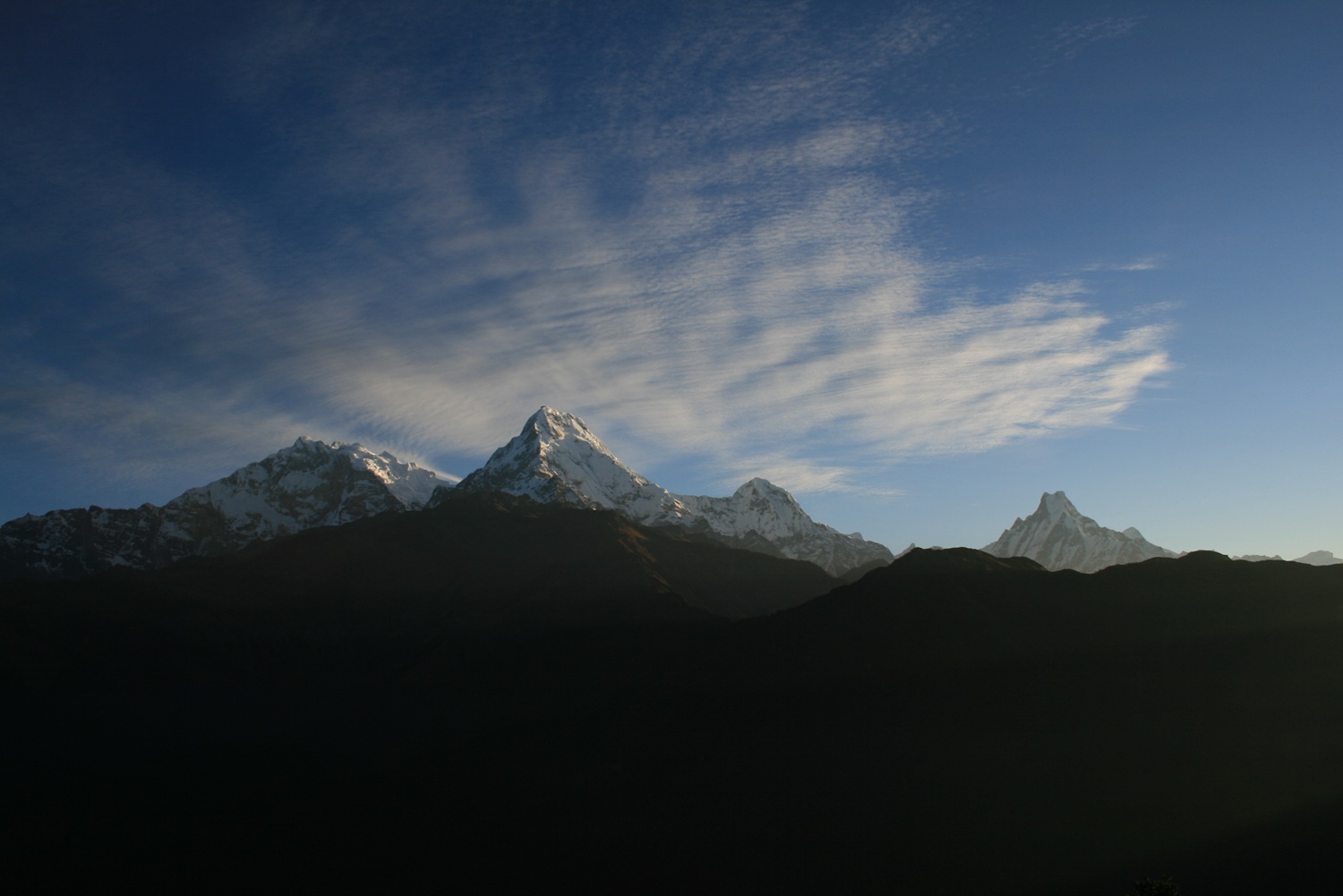
The trail goes along small winding paths, through magical rhododendron forests until you climb out of the forest at an elevation around 3,300 m. The landscape changes quite abruptly into a rugged high mountain landscape, with amazing views of Mardi Himal, Machapuchre, Annapurna South and Hiunchuli.
From High Camp (3580 m; some maps incorrectly mention 3900 m) you can climb up to Mardi Himal Base Camp in about 3-4 hours, which offers spectacular close up views of the entire Annapurna Range.
Mardi Himal trekking includes a full day guided tour to some of the major sites of the Kathmandu and Pokhara Valley. The package includes full board during the trek and bed and breakfast before and after the trek. Due to the unavailability of tea houses and lodges, the nights are spent in a tented camp during the trek. Cooks are hired to serve your choice breakfast, lunch and dinner.
Highlights
- Trek to the world-famous Everest Base Camp
- Enjoy the amazing view of the Himalayas from Kala Patthar
- Travel through the Sherpa villages of Namche, Khumjung, Khunde, and Dingboche
- Visit Tengboche the biggest and oldest monastery n the region.
Itinerary
Upon your arrival the Tribhuvan International airport (TIA) in Kathmandu, you will be greeted by a representative from Nepal Wanders who will take you to our hotel. In the evening, there will be a welcome dinner in a traditional Nepali cuisine restaurant where you will be able to enjoy authentic Nepali meal with a brief cultural program. Overnight at hotel in Kathmandu
This is a day to explore Kathmandu where we organise guided sightseeing to the Buddhist and Hindu sights in Kathmandu, to Kathmandu’s Durbar Square, Swayambunath – the Buddhist monkey temple and Pashupatinath – a sacred Hindu temple complex on the banks of the Bagmati River. Three major towns are located in the valley, Kathmandu, Patan and Bhaktapur, each having a great artistic and architectural tradition. Kathmandu is the capital and the largest city in the country. Patan, the second largest is separated from Kathmandu by a river. Bhaktapur, the third largest, is towards the eastern end of the valley and its relative isolation is reflected in its slower pace and more distinctly mediaeval atmosphere. In the Kathmandu Valley the landscape is dramatically sculpted by the contours of the paddy fields. The towns and villages are alive with the colours of farm produce, ranging from pyramids of golden grain to the vivid reds of chilli peppers laid out on mats to dry in the sun. In the streets and towns there is a constant bustle of activity, especially in the bazaars and markets where the farmers sell their vegetables and fruit. You should get back to the hotel after your sightseeing tour around midafternoon and the rest of the day is free for you to explore the city further and pack bags ready for the start of the trek the following morning. You can leave a bag at the hotel with items you will not need on the trek. Overnight at hotel in Kathmandu
Today, in the morning our guides will come to pick you up at your hotel and escort you to the bus station to catch an early morning, comfortable tourist bus to Pokhara. The bus will head towards the west of Kathmandu Valley and continue the journey towards the western part of Nepal following the Prithvi Highway along the Trisuli River. The bus will stop twice – one for breakfast and one for lunch and then continue until we reach Pokhara. The evening can be utilized to explore the lake area. Overnight at a hotel in Pokhara
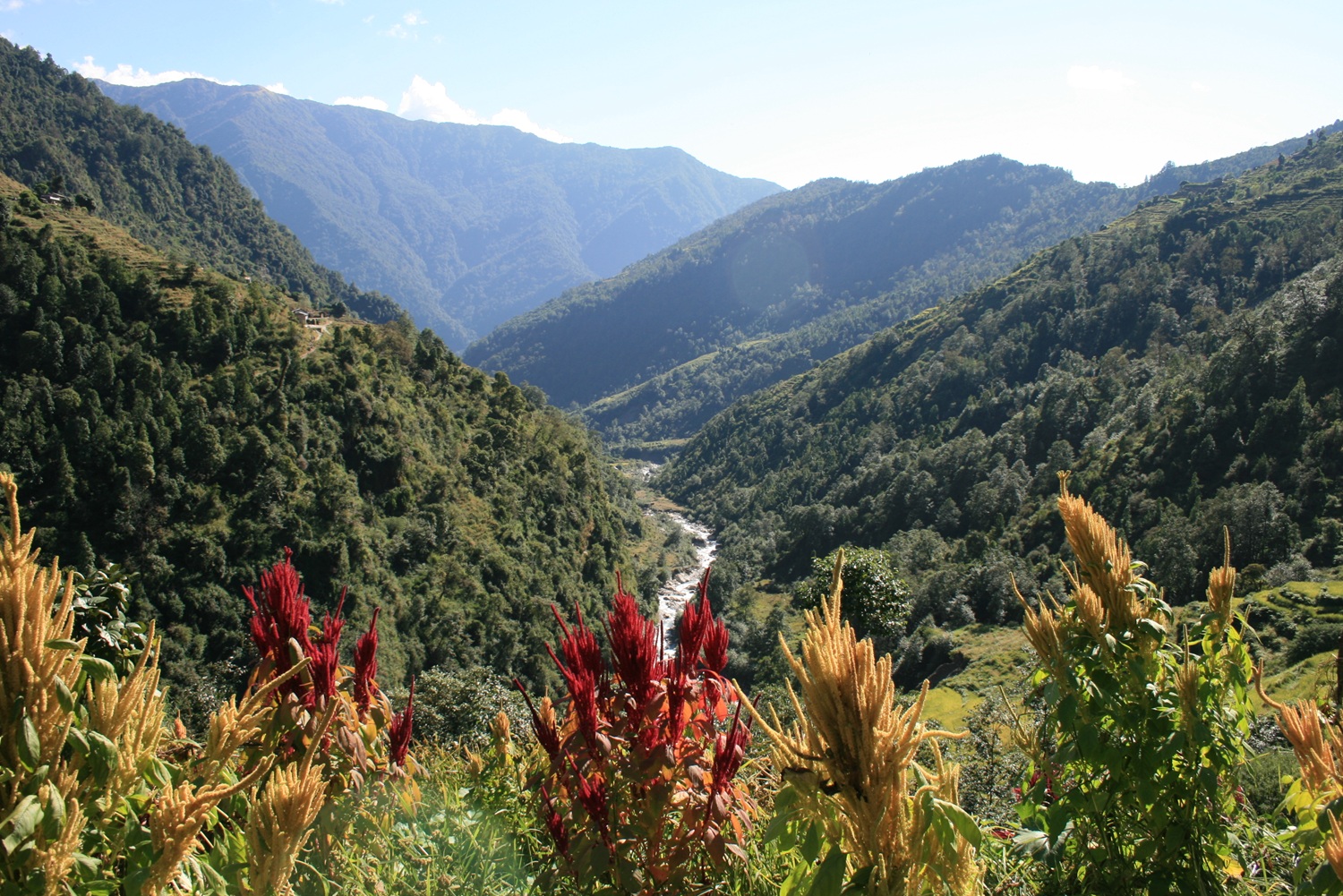
Pothana is the destination set for the day. After having breakfast, the trip continues with a 40 minute bus ride to Phedi. The upward hike begins from here. A climb through the jungle, passing several small villages takes us to the beautiful Gurung village -Dhampus. From Dhampus, a steep climb will first take us to the Australian Camp, passing Deurali. We further walk up to Pothana situated on the Annapurna Circuit trail. The evening can be spent exploring Pothana and enjoying the views of the mountains. Overnight in a teahouse lodge
The Forest Camp is the destination set for the day. From Pothana, the upward hike continues on the stone paved trail till Deurali. On reaching Deurali, we leave the circuit trail and catch an off-the-beaten trail that heads east. The trail passes through the dense forest, presenting the glimpses of the Dhaulagiri and Annapurna massif and some wildlife en route to the Forest Camp. We reach the forest Camp around the afternoon, where we set up the tent for overnight stay. Overnight in a teahouse lodge
The High Camp is the destination of the day. Leaving the Forest Camp we proceed towards the High Camp. Though the distance is short the climb through the forest of Rhododendron and Juniper forest is quite steep. The settlement is almost nil around this area. We first pass Manjh Danda to reach the low camp, and then we pass the Nangge Danda to reach the high camp. The top greets you with the most spectacular view of Machhapuchhre, the Annapurna Range, the valley of Annapurna Base Camp and Mardi Himal. Overnight in a teahouse lodge
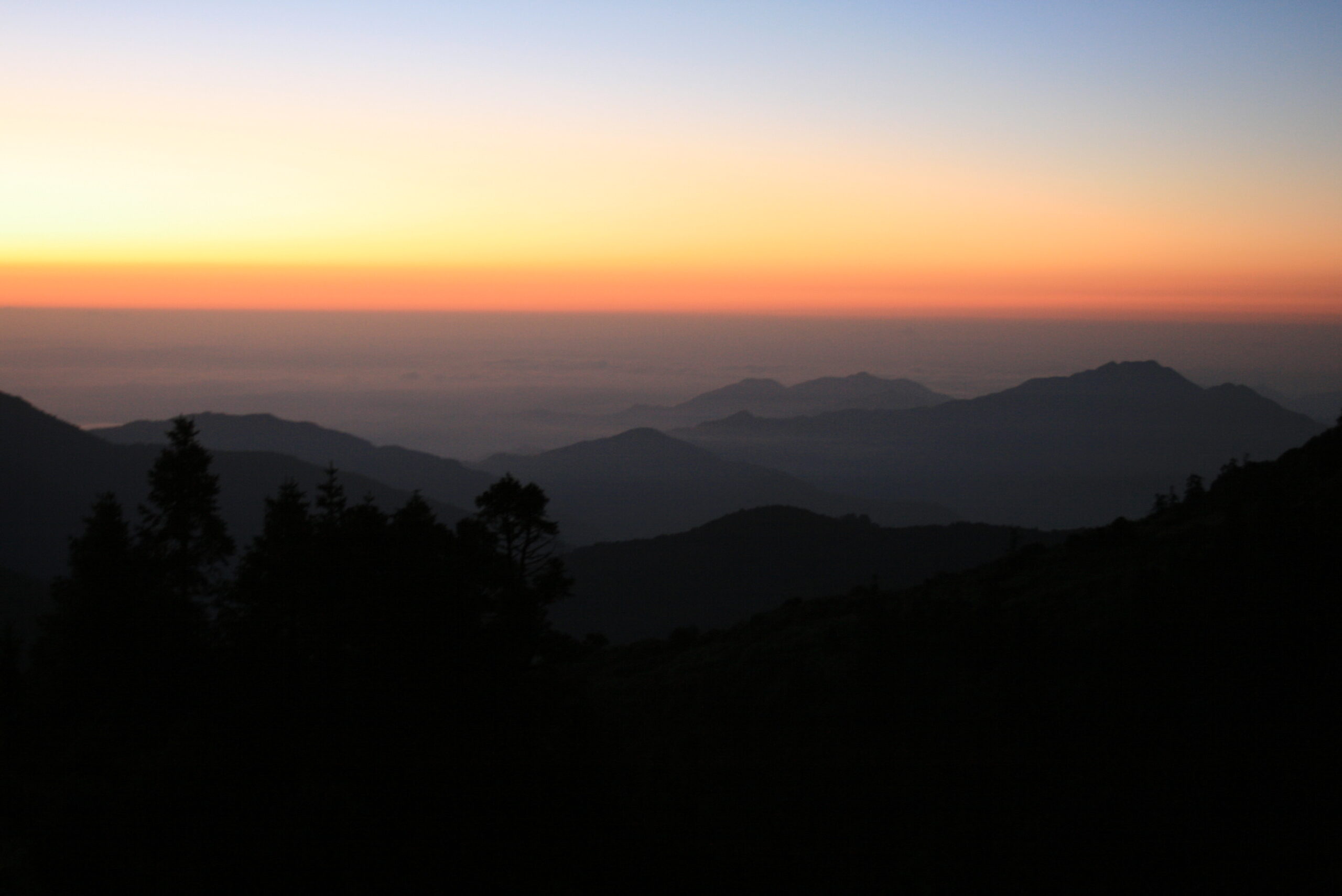
Mardi Himal Base Camp is the destination set for the day. Today we wake up earlier than usual to enjoy the sunrise view from the High Camp. Today is a challenging day as the day requires walking on a narrow, rocky trail. Leaving the High Camp, we ascend for about 4 hours to reach the base camp of the Mardi Himal. After enjoying the views from the base camp, we walk back to the High Camp. Overnight in a teahouse lodge
Siding Village is the destination set for the day. From the High Camp crossing the Nangge Danda, a steep descent brings us back to the Low Camp. From the Low Camp, we leave the trail used earlier and head towards the Mardi Khola River through the dense forest. The walk continues till Sidhing. Overnight in a teahouse lodge
Pokhara is the destination set for the day. Leaving Sidhing, we now hike down following the line of the river valley, passing various small settlements of Gurung and Tamang people until we reach Lumre. At Lumre, we catch a vehicle that will take us to Pokhara in one hour. The evening can be spent exploring the Lake area. Overnight at a hotel in Pokhara
After a number of days of tiring hike, we spend the day relaxing the tired muscles. Pokhara is a beautiful place that offers a number of attractions to both tourist and the local people. Today we spend our time exploring various attractions of Pokhara. Overnight at a hotel in Pokhara
Kathmandu is the destination set for the day. Today we fly from Pokhara to Kathmandu, which leaves you enough time to spend your day in Kathmandu. A private vehicle will be awaiting your arrival at the airport, which will escort you to your hotel in Kathmandu. The day can either be spent resting at the hotel or exploring the cities of Kathmandu. In the evening, we again meet for the farewell dinner and discuss the trek and the feedback. Overnight at a hotel in Kathmandu
Our representative will pick you up at the hotel and transfer you to international airport for onward journey.
Cost
The Cost Includes
- AIRPORT PICK-UP & DROP : Airport - Hotel transfer – Airport (Pick Up and Drop).
- ACCOMMODATION IN KATHMANDU : 3 nights sharing twin bedroom at the hotel (3-star category) in Kathmandu – Sharing twin Bedroom on BB Plan.
- ACCOMMODATION IN POKHARA : 2 nights sharing a twin bedroom at the hotel (3-star category) in Pokhara on a bed & breakfast basis.
- WELCOME DINNER : One Welcome Dinner in a tourist standard restaurant in Kathmandu with Office’s Staff.
- PERMITS : All necessary paper works: Annapurna Conservation area permit, TIMS Card & conservation entry fee.
- STAFF INSURANCE : Insurance for all involved Nepalese staff during the trek.
- MAP : Annapurna Region Trekking map.
- MEMBER TRANSPORTATION : Air Transportation: (Domestic Flight) Fly from Kathmandu – to Pokhara and while returning Pokhara – to Kathmandu, as per itinerary. Land Transportation: Drive from Kathmandu to Pokhara and while returning Pokhara to Kathmandu (by tourist vehicles).
- DRIVE BY PRIVATE/TOURIST VEHICLE : Pokhara – Kande and while returning drive to Pokhara from Siding Village.
- MEMBER LUGGAGE : Up to 15 Kg per member for personal baggage during the trek carrying by porters.
- FOODS & LODGING : Food 3 meals a day (BLD; including tea and coffee) along with accessible accommodation at Hotel/Lodge during the trek.
- DRINKS : 2 liters of boiled water to carry on thermos per day per member.
- GUIDE : Local government-licensed Guide (English speaking) during the trek and sight-seeing in Kathmandu valley.
- PORTER : Porters (2 trekkers: 1 porter) during the trek.
- STAFF SALARY & ALLOWANCE : All Nepalese staff & porter’s daily wages, salary, equipment, food & clothing.
- VALLEY SIGHTSEEING : Sightseeing in Kathmandu Valley [ Swoyambu (Monkey temple) and Kathmandu Durbar Square] by a professional guide.
- MEDICAL KIT : Comprehensive Medical kit.
The Cost Excludes
- INTERNATIONAL AIRFARE : International flight airfare (from and to Kathmandu).
- NEPAL VISA FEES : Nepali Visa fee is US$ 40 per person for 30 days (to be applied for 60 days (USD$ 100).
- LUNCH & DINNER : Lunch & dinner during the stay in Kathmandu & Pokhara (also in case of early return from Trekking than the scheduled itinerary).
- EXTRA NIGHTS IN KATHMANDU & POKHARA : Extra nights’ accommodation in Kathmandu & Pokhara. In case of early arrival or late departure, early return from Trekking (due to any reason) than the scheduled itinerary.
- INSURANCE : Travel and high altitude insurance, accident, medical & emergency evacuation.
- RESCUE EVACUATION : Medical Insurance and emergency rescue evacuation cost if required. (Rescue, Repatriation, Medication, Medical Tests, and Hospitalization costs.)
- PERSONAL EXPENSES : Telephone calls, Internet, Toiletries, battery recharge, hot shower, laundry, soft drinks, beer, and any alcoholic beverages.
- PERSONAL EQUIPMENT : Clothing, Packing Items or Bags, Personal Medical Kit, Personal Trekking Gears, etc.
- TOILETRIES : Soaps, shampoos, toilet and tissue papers, toothpaste, and other items used to keep yourself clean.
- FILMING : Special Filming, Camera, and Drone permit fee.
- INTERNET SERVICE : Internet facility during the trek is not included.
- EXTRA PORTER : $20 USD for an extra porter per day (If an extra porter is demanded).
- TIPS : Tips for Guide, porters, and staff.
- EXTRA : Any other services or activities not mentioned in the itinerary. Any other item not listed in the “Cost Includes” section.
All About Your Trek
Embark on an exhilarating trekking journey that immerses you in the pristine beauty of nature and the rich cultural heritage of the region. This trek offers a perfect blend of adventure, breathtaking scenery, and meaningful local encounters, making it an ideal choice for those seeking to connect deeply with the environment and people.

Route & Terrain:
The trek covers a diverse landscape, ranging from dense forests and terraced fields to rocky mountain paths and high-altitude meadows. You’ll traverse well-marked trails that challenge your endurance while rewarding you with spectacular panoramic views. Some sections may involve steep ascents and descents, so a good level of physical fitness and stamina is recommended.
Duration & Pace:
This trek typically lasts [X days], allowing you to enjoy a balanced pace that combines daily trekking with time to rest and explore local villages. Each day’s walk averages between 4 to 7 hours, giving you ample opportunity to soak in the scenery and capture stunning photographs.
Accommodation & Facilities:
Overnight stays are arranged in traditional teahouses or mountain lodges, offering basic yet comfortable amenities. These cozy accommodations provide a chance to experience the warmth of local hospitality, enjoy hearty home-cooked meals, and recharge for the next day’s trek.
Cultural Experience:
Beyond the natural beauty, this trek provides a unique window into the life of indigenous communities. You’ll meet friendly locals, learn about their customs, traditions, and way of life, and perhaps even participate in cultural activities or festivals depending on the timing of your visit.
Best Time to Visit:
The optimal trekking seasons are during the spring months of March to May and the autumn months of September to November. During these periods, the weather is generally clear and stable, with moderate temperatures and minimal rainfall, ensuring safer trekking conditions and breathtaking visibility.
Preparation & Packing Tips:
To make the most of your trek, pack wisely. Essential items include sturdy trekking boots, layered clothing for fluctuating temperatures, rain gear, sun protection such as hats and sunscreen, a reusable water bottle, and personal medication. It’s advisable to keep your backpack light and prioritize comfort and functionality.
Health & Safety:
Your safety is our utmost priority. The trek is guided by experienced professionals who are well-versed in mountain safety and first aid. They continuously monitor weather and trail conditions to ensure a secure experience. Remember to stay hydrated, pace yourself, and communicate any discomfort to your guide immediately.
Environmental Responsibility:
We encourage all trekkers to practice responsible tourism by minimizing waste, respecting wildlife, and preserving the natural environment. Carry out all trash, avoid disturbing flora and fauna, and support local conservation efforts by purchasing souvenirs directly from artisans.
Additional Support:
Should you have any specific requirements or need assistance in planning your trek, our team is available to provide personalized advice and support. We also offer options for porter services or mule assistance to help carry your luggage, making your trek more comfortable.
FAQs
Annapurna Base Camp is a Grade B or a moderately difficult trekking route. So any fit person can do this trek, even if you do not have any previous experience. You should be aware of what to expect and mentally prepare for it. Then, as long as you will too, you can.
On average, you walk about 4 to 6 hours per day. One or two days can be as less as 3hrs and one or two days can be as long as 7hrs.
The highest altitude reached is 4190m. This is the elevation of Annapurna Base Camp. ABC is the highest we will climb in this trek.
Yes, you can charge batteries en route. Charger should be brought. There are hot shower facilities as well. You may have to pay a certain amount for both ($1-$2). Negotiate. Also, a hot water facility could be free at a lower elevation.
No. There are no ATMs on this trek route. You will have to draw enough cash in Pokhara or Kathmandu. There are a number of ATMs in these cities. Everything is paid in Nepali rupees. So money should be exchanged before the start of the trek.
Yes. The Internet can be accessed in most places. Sometimes, there might be some technical problems. The Internet in Nepal is not as fast as you are used to and at times you can just lose connection.
Not really. It depends on you. If you want, ABC trekking can be done independently. You could hire a guide and a porter by yourself instead of going through an agency or not hire a guide at all. Although, not having a guide can be a little problematic during the offseason.
It really depends on you. Is it your first time in Nepal? How confident are you of being able to find your way around? How pressed on time are you? If you go through an agency, it will be costlier but everything will be planned. You will only have to come, trek and return.
For the Annapurna region, pay for guides range from $20 to $30 per day and porters take $15 to $25 per day.